Investment Articles
Our Mission to Changes Lives and Create Generational Wealth through Real Estate Investing!
From Finance

What Markets are Best for Multifamily Investments
Multifamily real estate is one of the most reliable vehicles for long-term wealth creation — but only if you enter the right market. We conduct in-depth research before committing capital to any location. We’re not interested in spreading ourselves too thin. Instead, we focus intentionally on one or two markets at a time, allowing us to understand their nuances and execute a disciplined value-add strategy.
While many investors chase popular metros or national headlines, our approach leans into emerging markets with long-term upside potential, manageable risk, and favorable affordability dynamics. Let’s explore how we define the “best” markets — and what separates smart investing from speculative guesswork.

1. Understanding the Landscape: State Regulation vs Market vs. Submarket
Every successful multifamily investment starts with understanding the different layers that govern it:
State-Level Regulation
States shape the macro investment environment through landlord-tenant laws, rent control, and taxation policies. States like Texas and Florida offer landlord-friendly frameworks and stable property taxes. Others, like California or New York, impose stricter tenant protections and rent regulations, which can cap your upside.Metropolitan Market (City Level)
Cities are defined by their job base, infrastructure, lifestyle offerings, and affordability. A city’s housing policy, permitting process, and tax environment also affect your ability to reposition assets or realize growth.Submarket (Neighborhood Level)
Submarkets are where deals live or die. Even in a strong city, some neighborhoods underperform due to high crime, weak school ratings, or lack of transit access. We examine submarkets on a block-by-block level to identify pockets of opportunity with favorable demographics and limited competition
2. Economic Fundamentals: Beyond Growth — Look for Job Diversification and Affordability Ratios
Economic health is a starting point, but raw job growth isn’t enough. We focus on:
Job Diversification
Markets overly reliant on a single employer or industry can see sharp downturns when those sectors struggle. We prefer cities witha diverse employment base— healthcare, logistics, education, tech, and government — which creates income stability and reduces demand shocks.Rent-to-Income Ratios (Affordability)
A market might boast job growth, but if rent already exceeds 35% of median income, there’s limited headroom for rent growth without political or social backlash. We target markets where tenants have room to absorb modest rent increases— signaling both affordability and sustainability.Example: In several Sunbelt cities, working-class submarkets with 25–30% rent-to-income ratios — ideal conditions for value-add without pricing out tenants or attracting negative attention.
3. Demographic Trends: Migration Patterns, Lifestyle Preferences, and Household Formation
Demographics signal future demand. We examine:
Population Growth: Especially in-migration from other states or countries for employment
Younger Cohorts: Millennials and Gen Z are driving rental demand
Lifestyle Changes: Remote work, downsizing, and a preference for low maintenance living all benefit multifamily
Household Formation Rates: More households = more renters
Example: Secondary markets like Raleigh, Boise, and Colorado Springs are drawing younger, educated residents priced out of major metros — creating surging demand for affordable, well-located rentals.
4. Market Conditions: Permitting, Barriers to Entry, and Supply Pipelines
Understanding the local real estate market means more than knowing rent trends — we also assess:
Rent Growth Trajectory: Are rents increasing sustainably or spiking artificially?
Vacancy Rates: Low vacancy = strong demand and pricing power
Absorption Rates: How fast are new units leased?
New Construction Pipeline: High volumes of units coming online may suppress growth
Key Focus: Permitting and Barriers to Entry
New Permits Issued: A proxy for future supply
Time to Permitting: In slower, more bureaucratic cities, delays can limit new supply and boost values for existing assets
Zoning Restrictions: Cities with rigid zoning or costly approval processes are often safer bets for long-term owners, as supply is inherently constrained
Example: In some markets average time to permit a multifamily development exceeds 18 months. This inefficiency protects existing landlords from a flood of new inventory — making value-add renovations particularly lucrative.
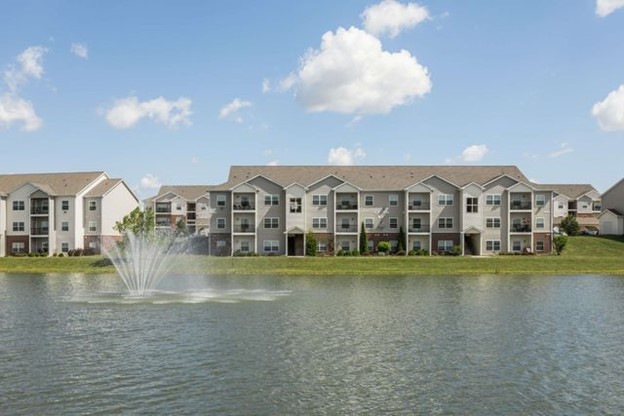
5. Regulatory Climate: Stability is Profitability
The best returns often come from predictable rules. We analyze:
Landlord-Tenant Laws:How fast can you evict non-paying tenants?
Rent Control:Is there a legal cap on rent increases?
Property Taxes:Are rates stable, or reassessed aggressively after sale?
A market’s regulatory profile must align with your business model. For value-add investors like us, flexibility is key— and that means prioritizing landlord-friendly environments.
7. Risk Management: Data-Driven, Focused, and Local
We don’t spread ourselves across dozens of markets. We go deep in one or two, using:
Local broker and management relationships
On-the-ground data and permitting intel
Demographic and economic modeling
Diversification across asset classes within the same market to limit exposure
We do all of this not just to maximize returns — but to preserve capital and stay ahead of potential regulatory, political, or economic risks.
Conclusion
Identifying the best markets for multifamily investing starts with understanding regulation at the state, market, and submarket level. From there, economic fundamentals, demographic trends, market conditions, regulatory stability, strategy fit, and risk management determine whether demand is sustainable and upside is achievable.
By evaluating markets through these lenses, investors can avoid speculation, focus on execution, and deploy capital in locations where long-term performance is supported by data, discipline, and local insight.
Next Steps: Let's Discuss the Markets We’re Active In
Whether you’re a seasoned investor or new to investing, Black Pine Equities is here to help you protect and grow your wealth through safe, simple, and successful strategies. Let’s work together to achieve your financial goals.
Disclaimer
Investment Risk: All investments carry the risk of loss. Historical returns are provided for informational purposes only and are not indicative of future results or projections for active investments. Qualified Statements: All statements related to any past or current offering by Black Pine Equities, LLC or its subsidiaries, or affiliates are expressly qualified by and subject to the applicable offering document(s), including all information, disclosures, and disclaimers contained therein. No Professional Advice: The content within these articles, emails, and events is not intended to provide, nor should it be construed as providing, tax, investment, or legal advice. You should consult your own professional advisors before making any decisions. General Communication Notice: These articles and emails are for informational purposes only. If you received this email in error or no longer wish to receive such communications, please notify us immediately or use the provided unsubscribe link.

Investment Articles
What Markets are Best for Multifamily Investments
Multifamily real estate is one of the most reliable vehicles for long-term wealth creation — but only if you enter the right market. We conduct in-depth research before committing capital to any location. We’re not interested in spreading ourselves too thin. Instead, we focus intentionally on one or two markets at a time, allowing us to understand their nuances and execute a disciplined value-add strategy.
While many investors chase popular metros or national headlines, our approach leans into emerging markets with long-term upside potential, manageable risk, and favorable affordability dynamics. Let’s explore how we define the “best” markets — and what separates smart investing from speculative guesswork.
1. Understanding the Landscape: State Regulation vs Market vs. Submarket
Every successful multifamily investment starts with understanding the different layers that govern it:
State-Level Regulation
States shape the macro investment environment through landlord-tenant laws, rent control, and taxation policies. States like Texas and Florida offer landlord-friendly frameworks and stable property taxes. Others, like California or New York, impose stricter tenant protections and rent regulations, which can cap your upside.Metropolitan Market (City Level)
Cities are defined by their job base, infrastructure, lifestyle offerings, and affordability. A city’s housing policy, permitting process, and tax environment also affect your ability to reposition assets or realize growth.Submarket (Neighborhood Level)
Submarkets are where deals live or die. Even in a strong city, some neighborhoods underperform due to high crime, weak school ratings, or lack of transit access. We examine submarkets on a block-by-block level to identify pockets of opportunity with favorable demographics and limited competition
2. Economic Fundamentals: Beyond Growth — Look for Job Diversification and Affordability Ratios
Economic health is a starting point, but raw job growth isn’t enough. We focus on:
Job Diversification
Markets overly reliant on a single employer or industry can see sharp downturns when those sectors struggle. We prefer cities witha diverse employment base— healthcare, logistics, education, tech, and government — which creates income stability and reduces demand shocks.Rent-to-Income Ratios (Affordability)
A market might boast job growth, but if rent already exceeds 35% of median income, there’s limited headroom for rent growth without political or social backlash. We target markets where tenants have room to absorb modest rent increases— signaling both affordability and sustainability.Example: In several Sunbelt cities, working-class submarkets with 25–30% rent-to-income ratios — ideal conditions for value-add without pricing out tenants or attracting negative attention.
3. Demographic Trends: Migration Patterns, Lifestyle Preferences, and Household Formation
Demographics signal future demand. We examine:
Population Growth: Especially in-migration from other states or countries for employment
Younger Cohorts: Millennials and Gen Z are driving rental demand
Lifestyle Changes: Remote work, downsizing, and a preference for low maintenance living all benefit multifamily
Household Formation Rates: More households = more renters
Example: Secondary markets like Raleigh, Boise, and Colorado Springs are drawing younger, educated residents priced out of major metros — creating surging demand for affordable, well-located rentals.
4. Market Conditions: Permitting, Barriers to Entry, and Supply Pipelines
Understanding the local real estate market means more than knowing rent trends — we also assess:
Rent Growth Trajectory: Are rents increasing sustainably or spiking artificially?
Vacancy Rates: Low vacancy = strong demand and pricing power
Absorption Rates: How fast are new units leased?
New Construction Pipeline: High volumes of units coming online may suppress growth
Key Focus: Permitting and Barriers to Entry
New Permits Issued: A proxy for future supply
Time to Permitting: In slower, more bureaucratic cities, delays can limit new supply and boost values for existing assets
Zoning Restrictions: Cities with rigid zoning or costly approval processes are often safer bets for long-term owners, as supply is inherently constrained
Example: In some markets average time to permit a multifamily development exceeds 18 months. This inefficiency protects existing landlords from a flood of new inventory — making value-add renovations particularly lucrative.
5. Regulatory Climate: Stability is Profitability
The best returns often come from predictable rules. We analyze:
Landlord-Tenant Laws:How fast can you evict non-paying tenants?
Rent Control:Is there a legal cap on rent increases?
Property Taxes:Are rates stable, or reassessed aggressively after sale?
A market’s regulatory profile must align with your business model. For value-add investors like us, flexibility is key— and that means prioritizing landlord-friendly environments.
7. Risk Management: Data-Driven, Focused, and Local
We don’t spread ourselves across dozens of markets. We go deep in one or two, using:
Local broker and management relationships
On-the-ground data and permitting intel
Demographic and economic modeling
Diversification across asset classes within the same market to limit exposure
We do all of this not just to maximize returns — but to preserve capital and stay ahead of potential regulatory, political, or economic risks.
Conclusion
Identifying the best markets for multifamily investing starts with understanding regulation at the state, market, and submarket level. From there, economic fundamentals, demographic trends, market conditions, regulatory stability, strategy fit, and risk management determine whether demand is sustainable and upside is achievable.
By evaluating markets through these lenses, investors can avoid speculation, focus on execution, and deploy capital in locations where long-term performance is supported by data, discipline, and local insight.
Next Steps: Let's Discuss the Markets We’re Active In
Whether you’re a seasoned investor or new to investing, Black Pine Equities is here to help you protect and grow your wealth through safe, simple, and successful strategies. Let’s work together to achieve your financial goals.
Disclaimer
Investment Risk: All investments carry the risk of loss. Historical returns are provided for informational purposes only and are not indicative of future results or projections for active investments. Qualified Statements: All statements related to any past or current offering by Black Pine Equities, LLC or its subsidiaries, or affiliates are expressly qualified by and subject to the applicable offering document(s), including all information, disclosures, and disclaimers contained therein. No Professional Advice: The content within these articles, emails, and events is not intended to provide, nor should it be construed as providing, tax, investment, or legal advice. You should consult your own professional advisors before making any decisions. General Communication Notice: These articles and emails are for informational purposes only. If you received this email in error or no longer wish to receive such communications, please notify us immediately or use the provided unsubscribe link.

Copyright © 2026 Black Pine Equities. All rights reserved.